
This Is Why Garage Door Maintenance Matters More in Spring and Summer

Garage doors often fade into the background until something starts to feel off. Garage door maintenance in Wichita, KS tends to get overlooked, even as spring and summer place more strain on every part of the system. Rising heat, heavier use, and outdoor buildup all combine to speed up wear in ways that are easy to miss at first.
Love Garage Doors helps homeowners stay ahead of issues before they become major disruptions. Subtle changes in movement or sound usually signal deeper problems starting to form. Taking care of those early keeps things simple and avoids bigger repairs later.
Here are the reasons seasonal maintenance deserves more attention right now.
Key Takeaways
- Heat and frequent use expose hidden garage door problems faster than expected.
- Strange sounds or slow movement often signal bigger issues starting to form.
- Seasonal maintenance helps prevent breakdowns and keeps everything running smoothly.
Heat Changes How Your Garage Door Behaves
Small shifts in temperature can quietly throw off the balance of your entire garage door system. What looks like normal operation can start masking uneven stress building across key components.
Track Alignment Starts to Drift Under Heat Stress
As metal tracks expand, even slight warping can change the door’s path of travel. This creates micro-resistance points where rollers no longer glide cleanly, forcing the opener to work harder with each cycle. Over time, this added strain accelerates wear on both the track mounting brackets and the opener’s drive system.
Spring Tension Becomes Less Predictable
Temperature changes affect how torsion and extension springs distribute load across the door. Warmer conditions can reduce the consistency of tension, which leads to subtle imbalances during lifting and lowering. That imbalance often shows up as uneven door movement that places extra stress on one side of the system.
Hardware Loosens Faster Than Expected
Heat expansion and contraction cycles can gradually loosen bolts, hinges, and fasteners throughout the door assembly. These small shifts create instability that compounds with daily use, especially during peak seasons. Left unchecked, this can lead to misalignment issues that are harder to correct later without more involved repairs.
Winter Damage Starts Showing Now
Spring use brings hidden winter wear out into the open faster than most people expect. Parts that have handled months of cold can start to slip once daily use resumes. That shift often shows up as rough movement or uneven lifting.
Springs and cables take on the most stress during colder months and carry that damage forward. Small cracks or frayed sections can worsen once tension increases with regular use. A close look now can catch these weak points before they snap under pressure.
A seasonal check helps keep everything working the way it should as temperatures rise. Professional garage door maintenance in Wichita, KS, can spot early warning signs that are easy to miss. Many homeowners turn to Love Garage Doors to handle these inspections before small issues grow into costly repairs.
Lubrication Breaks Down Faster
Heat can quietly strip away the protection your garage door relies on every day. What once kept parts moving smoothly can lose its strength as temperatures climb. That change often goes unnoticed until the system starts to feel rough.
Thinner lubricant leaves metal surfaces exposed during movement. Rollers, hinges, and bearings begin to grind instead of glide with each cycle. This added friction speeds up wear and can shorten the life of key components.
Regular reapplication keeps everything moving the way it should. Fresh lubricant helps reduce stress on moving parts and keeps noise under control. A simple maintenance step like this can prevent bigger issues from building over time.
Dirt and Pollen Build Up Quickly
Spring brings more than warm air into your garage. Fine dust and pollen settle into tight spaces and stick to moving parts. That layer can build faster than expected and start affecting how the door runs.
Debris inside the tracks can block smooth travel and cause slight shifts in movement. Rollers may struggle to pass through dirty sections, which adds strain during each use. Routine cleaning removes buildup and helps keep the system running smoothly without added stress.
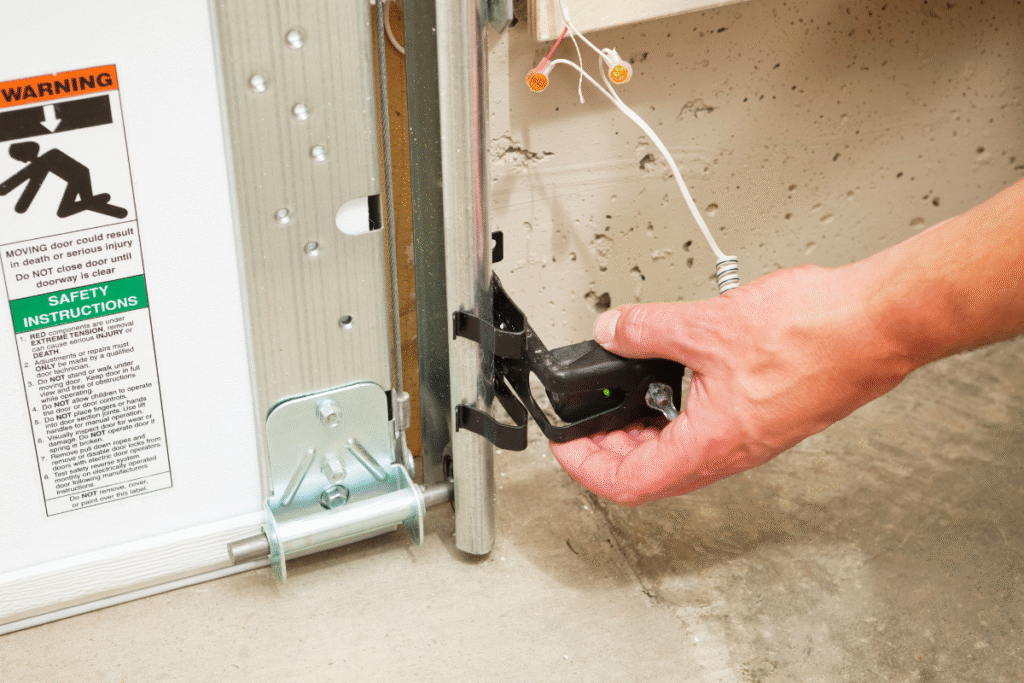
Sensors Struggle In Bright and Dusty Conditions
Bright days can cause garage door sensors to misread what is actually in front of them. Fine debris in the air adds another layer of interference that builds up over time. These small disruptions can trigger safety features at the wrong moment and stop the door from closing properly.
Here are key ways these conditions affect performance:
- Light distortion across the sensor beam: Direct sunlight can flood the sensor lens and weaken its ability to detect the return signal. This creates false readings that make the system think something is in the way when the path is clear.
- Dust coating the sensor lens: A thin layer of dust can block or scatter the beam without being visible at a glance. This reduces accuracy and leads to inconsistent operation during normal use.
- Misalignment from repeated vibration: Daily door movement can slowly shift sensor positioning, especially when debris adds resistance to the system. Even a slight change in angle can break the connection between both sides.
- Signal interruption from airborne particles: Pollen and fine debris can pass through the sensor path during operation, briefly interrupting the beam. These quick interruptions can trigger sudden reversals that seem random to homeowners.
Keeping sensors clean and properly aligned helps avoid these frustrating and preventable issues.
Garage Door Openers Take On Extra Work
Extra strain on your garage door opener often builds without clear warning. A door that feels slightly heavier can force the motor to push harder during every cycle. That added effort can wear down internal parts faster than expected.
Uneven weight distribution puts pressure on the opener rather than on the spring system. The motor may start to hesitate or sound louder as it tries to keep up with the demand. Over time, this can lead to overheating or early failure of key components.
Routine service helps restore proper balance and reduce the load on the opener. A well-tuned system allows the motor to operate within its intended limits. This keeps performance steady and helps extend the life of the entire setup.
Cables Wear Faster Under Daily Use
Garage door cables handle a heavy load every time the door moves. Increased use during warmer months adds more pressure with each open and close. That repeated strain can weaken the cable structure over time.
Visible damage often starts small and grows without much notice. Frayed strands or slight unraveling can quickly reduce the cable’s strength. As the condition worsens, the likelihood of a snap increases.
Regular inspections help identify early wear before it turns into a serious problem. Spotting these issues early keeps the door operating safely and smoothly. Staying proactive helps prevent sudden failures that can disrupt daily use.
Stay Ahead Of Costly Breakdowns With Garage Door Maintenance in Wichita, KS
Seasonal wear does not wait for a convenient time, and small issues rarely stay small for long. Love Garage Doors helps catch problems early, so your system stays reliable when you need it most. A quick service now can save time, stress, and money later.
Frequently Asked Questions
How often should a garage door be serviced during warmer months?
Garage doors need more frequent checks in spring and summer because heat and daily use increase wear. Routine service helps catch small issues before they turn into major problems.
What causes garage door parts to wear faster in hot weather?
Heat changes how metal parts expand and move, which increases friction during operation. More use during warmer months adds stress that speeds up wear on key components.
Can seasonal changes affect garage door balance?
Yes, temperature shifts can change how weight is distributed across the door system. An unbalanced door forces the opener and hardware to work harder than they should.
Why does my garage door sound louder in spring and summer?
Warmer conditions can dry out lubrication and expose worn parts that were quiet before. New noises often point to friction or alignment issues that need attention.
Is garage door maintenance really necessary if everything seems fine?
Yes, many problems build slowly without obvious warning signs at first. Regular maintenance helps prevent sudden breakdowns and keeps the system running smoothly.