
What A Balanced Garage Door Feels Like, and Why It Matters
Most people can tell when their garage door isn’t working right, but they don’t always know why. It might feel heavy, sound rough, or act strange when it opens or closes. These minor signs usually point to a larger balance issue.
A balanced door takes pressure off your opener and hardware, helping everything last longer. That’s where a garage door company in Wichita, like Love Garage Doors, makes a real difference. We know what a well-balanced door should feel like and how to fix it when things are off.
Keep reading for a breakdown of what to look for and why it matters more than you think.
Key Takeaways
- A smooth, quiet garage door that stays in place is a sign the system is balanced and not working overtime.
- Small issues like jerky movement or loose cables often point to underlying balance problems that worsen over time.
- Most garage doors show clear signs before something breaks, but you need to know how to spot them early.
Lifts With Steady, Light Pressure
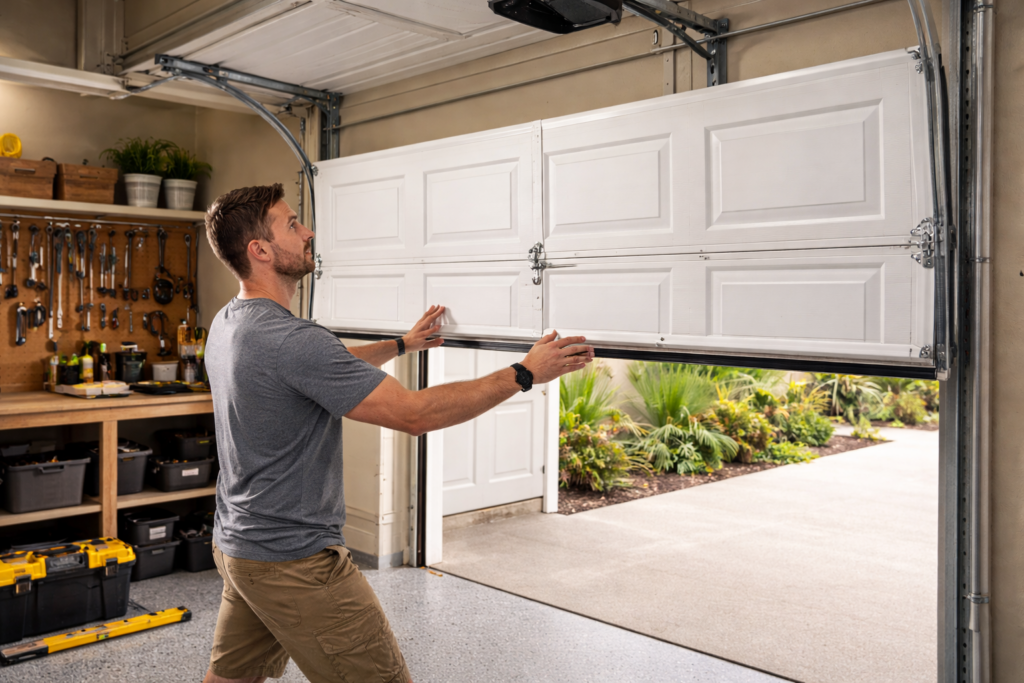
When a garage door is balanced right, it should feel smooth and light from the moment you start lifting it. You shouldn’t have to wrestle with it or feel the weight shift halfway up. A steady lift means the springs are doing their job evenly.
Sudden changes in weight as the door moves are a red flag. That shift means the tension in the springs isn’t spread out like it should be. Over time, that uneven pull can wear down your opener and make the whole system work harder than it should.
This kind of pressure can sneak up on you if you’re not paying attention. A door that feels light one day and heavy the next is already showing signs of trouble. Catching that early helps protect your investment and keeps everything running smoothly.
Stops Midway Without Moving
A garage door that stays put when lifted halfway is doing what it should. It shouldn’t drift up or fall down on its own. If it does, the balance system isn’t holding like it’s supposed to.
This is more than just an inconvenience. Doors that move without help can point to worn springs or stretched cables. Those parts are under constant pressure and can fail if ignored for too long.
Checking where the door stops gives you an early clue. You can spot a problem before it becomes a major repair. It’s a quick test that can save you time, money, and stress down the road.
Why Does My Garage Door Slam Shut?
A garage door slams shut because the system is out of balance and cannot control the weight. Weak or worn springs fail to slow the door as it closes. That sudden drop creates a serious safety risk inside the garage.
Fast closing puts stress on several moving parts at once. The opener arm can bend or break under that force, and nearby people can get hurt. A trusted garage door company in Wichita, KS can spot the issue and correct it before damage spreads.
Is your garage door closing faster than it should? Love Garage Doors can restore safe balance and protect your home with expert service you can trust.
Stays Quiet From Start To Finish
A garage door that runs quietly is often a sign of proper balance, not just good hardware. When the system is aligned and tension is evenly spread, parts don’t have to fight against each other to move.
Spring Strain Sounds Different
When springs lose tension, they start pulling unevenly, which creates a sharp, twisting sound during movement. That noise usually shows up near the top or bottom of the cycle. It signals that one side is working harder than the other, and that throws the balance off.
Track Misalignment Creates Rattle
If the door shifts in the tracks because of uneven weight, it can cause a constant rattle or vibration. That sound often means the rollers aren’t making smooth contact. Over time, the track can bend or warp under the extra pressure.
Opener Overwork Adds Volume
A loud hum or motor groan may not be the opener itself failing, but a sign it’s doing more than it should. Balanced doors move with minimal effort, so a noisy motor often means the opener is under load. This can shorten its lifespan and lead to more repairs.
Moves The Same On Both Sides
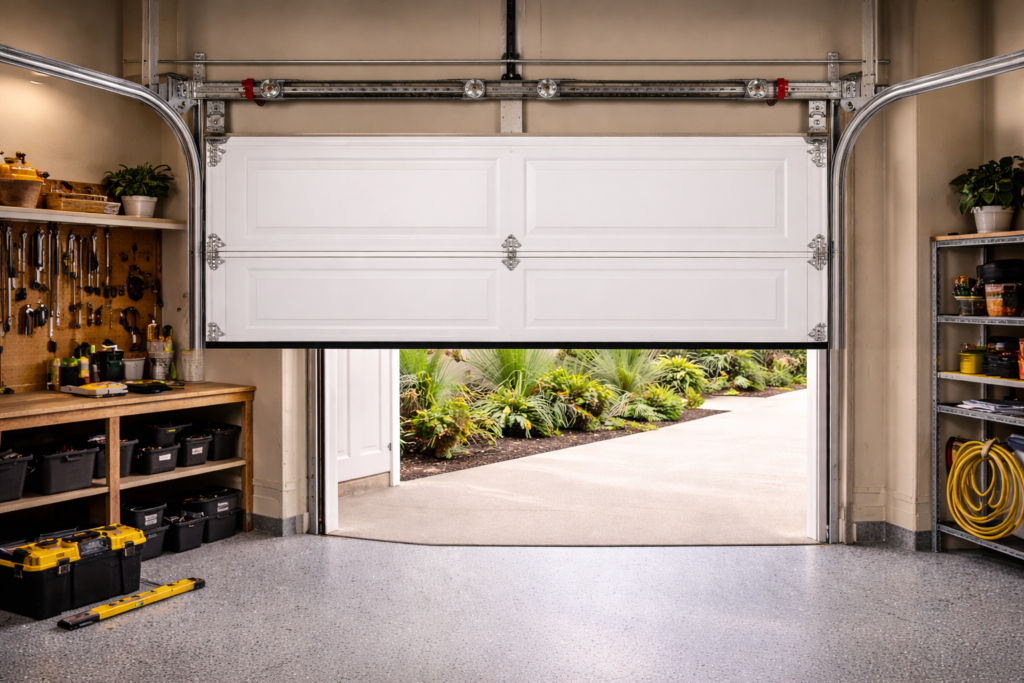
A balanced garage door should rise evenly on both sides without jerking or tilting. If one roller moves ahead or lags behind, something is off in the cable or spring setup. That uneven motion can quietly damage the tracks and panels over time.
This kind of wear isn’t always obvious at first. Small shifts in movement can slowly pull parts out of alignment. Fixing the problem early keeps the door running smoothly and protects your system from bigger repairs.
Doesn’t Strain The Opener Motor
A healthy garage door moves without forcing the opener to work overtime. The motor should sound steady and smooth during the full cycle. Struggling noises often mean the door weight is no longer balanced.
Extra strain on the opener usually comes from changes in the spring system. Springs can weaken over time and stop carrying their share of the load. When that happens, the opener picks up the slack and wears out faster.
Paying attention to how the opener sounds can reveal issues early. Slow movement or hesitation is a warning sign worth taking seriously. Addressing balance problems helps extend the life of the opener and keeps the door working reliably.
Tracks Stay Clean And Unworn
Garage door tracks are designed to guide smooth, even movement every time the door opens or closes. When the balance is off, one side can drag or shift, leaving behind scratches or rub marks. These minor signs often point to larger alignment problems forming.
Damaged tracks don’t just look bad. They can also cause the rollers to stick or pop out of place, increasing pressure on the door system. Over time, that damage makes the door harder to control and more expensive to fix.
Keeping the door balanced helps the tracks stay in good shape. Both sides glide evenly, protecting the rollers and the track surface. That means fewer repairs and better performance for years to come.
Cables Stay Aligned and Tight
Lift cables play a quiet but critical role in keeping a garage door safe and controlled. When balance is right, cables stay snug and move in sync on both sides. Loose or uneven cables signal tension problems that can turn dangerous fast.
Here are deeper signs that cable alignment issues should never be ignored:
- Uneven Drum Seating: Cables that do not wrap evenly around the drum can slip during operation. This causes sudden drops or jerks that stress the entire system.
- Side Load Pressure: A loose cable forces extra weight onto the opposite side. That imbalance can twist the door frame and shorten the life of panels and rollers.
- Hidden Strand Damage: Fraying often starts inside the cable, where it is hard to see. Continued use can lead to a sudden snap without any warning.
- Pulley Tracking Issues: Misaligned cables pull against pulleys at the wrong angle. That friction accelerates wear and raises the risk of failure.
Keeping cables tight and aligned protects both the door system and everyone around it.
Why Getting Balance Right Matters For Your Garage Door Company In Wichita
A balanced garage door isn’t a bonus, it’s the baseline for safe, smooth operation. Ignoring small shifts in how your door moves or sounds can lead to bigger repairs down the line. Love Garage Doors checks for these issues fast so you’re not left dealing with a stuck door or burnt-out opener.
Frequently Asked Questions
How do I know if my garage door is too heavy to lift?
If you need both hands or it feels like a workout, the door is likely out of balance. This usually means the springs aren’t doing their job and need to be checked.
Why does my garage door bounce when it hits the ground?
Bouncing at the bottom usually means the tension is off or the system is fighting against itself. A balanced door should land clean and hold steady without jumping.
Can an unbalanced garage door damage my opener?
Yes, an unbalanced door forces the opener to carry more weight than it should. This causes the motor to wear out faster or fail completely.
What should I look at if my garage door feels uneven when it moves?
Watch the rollers and cables for any jerking or dragging on one side. That uneven movement is a clear sign the door isn’t balanced properly.
Does a garage door need maintenance if it still opens and closes?
Even if it moves, it might be putting stress on the system if the balance is off. Regular checks catch small issues before they turn into bigger repairs.