
Why a Garage Door That Won’t Close All the Way Is More Than an Annoyance
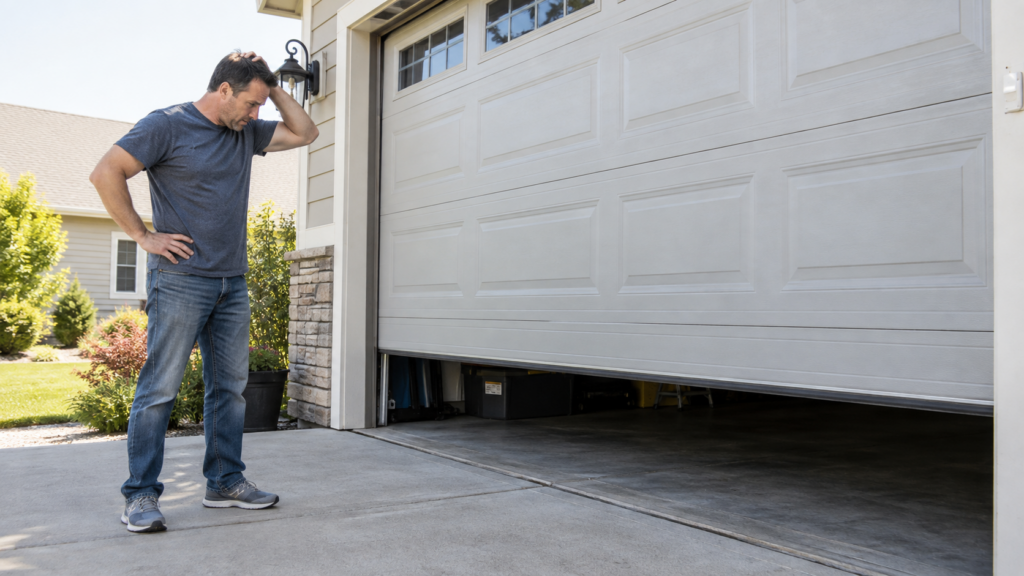
A garage door that will not fully close can be easy to brush off at first. Professional garage door repair in Wichita, KS, can help uncover what is keeping the door from finishing its normal path. Love Garage Doors can check the system and catch trouble before it creates a bigger headache.
A small closing issue can affect how the entire garage door works each day. Problems can also place extra stress on parts, leave the garage exposed, or make the door less dependable. Paying attention early can help you avoid turning a frustrating gap into a larger repair.
Several different issues can hide behind a door that stops short.
Here are the problems that may be keeping your garage door from closing all the way.
Key Takeaways
- A garage door that stops short can point to problems deeper in the system.
- Small closing issues can place extra strain on parts and create bigger problems over time.
- The way the door moves, stops, or sits can reveal where the trouble may be starting.
The Door Can Lose Its Balance
An uneven garage door can be a sign that the lifting system is no longer sharing the load correctly. One side may start pulling harder while the other side lags behind. That small shift can make the whole door move differently.
Spring tension and cable tension need to stay balanced as the door travels. If they do not, rollers and hinges may take on stress they were not meant to handle. Tracks can also start wearing faster when the door keeps moving at an angle.
The opener may end up working harder just to move the door through each cycle. Over time, that extra effort can make the system less reliable. Catching the imbalance early can help prevent more parts from getting dragged into the problem.
The Opener Can Mistake Resistance for Danger
A garage door opener reacts when the door gets harder to move than it should. That extra resistance can make the system think something is in the way. The door may stop and reverse before it ever reaches the floor.
Tight rollers, stiff hinges, or a bent track can all create enough drag to trigger the safety feature. Even a small amount of added force can change how the opener responds. The problem may look like a sensor issue when the real cause is somewhere in the moving parts.
Watching where the door slows down can give you an important clue. A repair technician can check the track, rollers, hinges, and opener settings to find the source of the resistance. Fixing the drag can help the door close smoothly without fighting the safety system.

Why Does My Garage Door Stop Before It Hits the Floor?
A door that stops short may be following the wrong travel setting. The opener uses that setting to decide when the door has reached the floor. If the limit is off, the motor can stop even though a gap is still there.
Resistance can cause the same problem during the closing cycle. A rough spot in the track or another moving part can keep the door from finishing its path. Checking both the travel limit and the door movement can help uncover the real cause.
A Bent Track Can Change the Whole Closing Path
A garage door depends on both tracks staying in the right position from top to bottom. Even a small change near the floor can make the last part of the trip much harder than it should be.
The Track Opening Can Get Too Tight
The space between the tracks needs to stay even as the door moves down. A bend can narrow that path near one side of the opening. The door may then feel normal higher up, but struggle as it reaches the bottom.
Loose Hardware Can Make the Problem Worse
Track brackets and fasteners help hold the rails in place. If that hardware starts shifting, the track can move farther out of line each time the door runs. What begins as a small bend can turn into a bigger alignment problem.
The Door Can Start Closing Crooked
A damaged track can pull one side of the door out of its normal path. That can make the bottom edge sit unevenly when the door gets close to the floor. A crooked close can also be a useful clue that the problem is coming from the track system.
The Floor May Be Creating the Gap
Sometimes the garage door is closing exactly where it should, but the floor below it has changed. Settled concrete can leave a low spot that creates a visible gap along the bottom edge. Adjusting the opener will not fix the problem if the floor is the real cause.
A professional garage door repair in Wichita, KS, can help rule out door issues before you make the wrong fix. Love Garage Doors can check how the door meets the floor and see whether the opening itself has shifted. Finding the source first can save time and keep you from chasing a problem that is not in the opener.
The Bottom Section Can Twist Under Pressure
Damage near the bottom of the door can change how the whole panel sits. One corner may touch the floor while the other stays slightly raised. That uneven edge can make the door look closed even when part of the opening is still exposed.
A bent lower section can also pull nearby parts out of their normal position. Hinges and brackets may start taking extra force each time the door moves. Over time, that added strain can make the damage spread beyond the panel itself.
Repeated use can turn a small bend into a much bigger repair. The door may begin moving rougher as connected hardware shifts under pressure. Catching the panel damage early can help keep the rest of the system from taking the hit.
The Seal Can Hide a Bigger Fit Problem
A thick bottom seal can make a bad fit look better than it really is. One part may squash down hard while another barely touches the floor. That uneven contact can be a clue that the door is sitting wrong.
The real issue may come from the alignment of the track, cable, floor, or door. Replacing the seal alone can hide the symptom without fixing the cause. A closer check can help you find what is making the bottom edge sit unevenly.
Sensor Trouble Can Be Intermittent
Sensor problems do not always show up the same way every time. A garage door may close fine during one cycle and reverse during the next. That kind of random behavior can make the real cause harder to spot.
The trouble can come from several small changes around the sensor system:
- Loose brackets can shift position: A bracket can move just enough during door travel to break the sensor beam. The eyes may line up again once the vibration stops, which makes the issue seem random.
- Dirt can weaken the beam: Dust or grime on the sensor lens can block part of the signal. Even a thin layer can make the system more sensitive to movement or light changes.
- Vibration can interrupt alignment: The force of the door moving can shake a sensor slightly out of place. The beam may break only during certain parts of the closing cycle.
- Wiring can make contact on and off: A loose wire can connect one moment and fail the next. That small electrical issue can trigger reversals even when the sensor lenses look fine.
Intermittent sensor trouble deserves a close look before it turns into a constant closing problem.
We Offer Professional Garage Door Repair in Wichita, KS
A garage door that will not close all the way can point to a deeper problem. Love Garage Doors can find the cause and help stop extra wear on the system. Taking care of the issue early can help prevent a larger repair later.
Frequently Asked Questions
Can a garage door stay partly open because of a broken spring?
Yes, a weak or damaged spring can change how the door moves and balances. The door may struggle near the floor or sit unevenly when it tries to close.
What causes a garage door to close crooked?
Uneven cable tension, track problems, or worn hardware can make one side move differently from the other. A crooked closing path can place extra stress on several parts of the system.
Why does my garage door reverse before closing completely?
The opener may sense resistance or receive a signal from the safety sensors. Dirty sensors, stiff rollers, or track issues can make the system think something is blocking the door.
Can an uneven garage floor keep a garage door from sealing?
Yes, changes in the concrete can leave a gap even when the door reaches its normal stopping point. A new seal may help in some cases, but the floor or door alignment may still need attention.
Is it safe to keep using a garage door that will not fully close?
Continuing to use the door can add wear if a mechanical problem is causing the issue. Getting the system checked early can help prevent added strain on the opener, cables, rollers, and other parts.