
The Most Common Garage Door Problems Wichita Homeowners Face
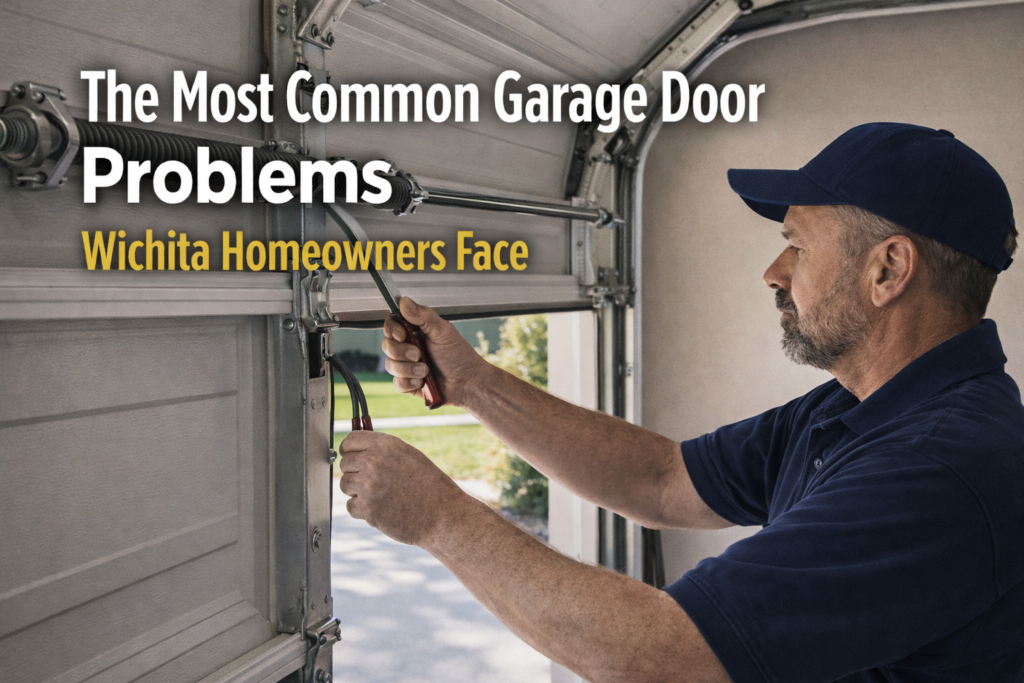
Garage doors work hard every day. Most homeowners do not think about them until something stops working. Professional garage door repair in Wichita, KS, is often necessary when a door starts making noise or moving the wrong way.
Many garage door problems start small. A door may shake, move slowly, or refuse to close all the way. The team at Love Garage Doors sees these problems often and understands the common issues that cause garage doors to fail, jam, or stop working the way homeowners expect.
Read on to learn about the garage door problems Wichita homeowners run into most often and what usually causes them.
Key Takeaways
- Most garage door failures start with small warning signs that homeowners often miss.
- Worn parts slowly throw the entire garage door system out of balance.
- Strange noises or slow movement often signal deeper mechanical problems.
Spring Fatigue From Kansas Temperature Swings
Kansas weather rarely holds steady for long. Freezing winters and intense summer heat place constant stress on the steel springs that lift a garage door every day.
Over time, those temperature swings slowly weaken the metal that keeps the door balanced. Homeowners often do not notice the change until the door begins to feel heavier or moves less smoothly than it once did.
Why Temperature Cycles Slowly Damage Springs
Garage door springs depend on tightly wound steel that stores energy as the door closes and releases it as the door opens. When temperatures rise and fall throughout the year, the metal repeatedly expands and contracts. This ongoing cycle creates microscopic stress within the steel, gradually reducing the spring’s strength.
How Spring Fatigue Affects Door Balance
As springs lose tension, the door system begins to lose its balance. The door may tilt slightly during movement or feel uneven as it lifts off the ground. This imbalance places extra pressure on cables, rollers, and track hardware that were designed to operate under stable tension.
Why Broken Springs Often Seem Sudden
Many springs appear to fail without warning, but the damage usually builds over months or even years. Small cracks inside the metal grow larger each time the door cycles open and closed. Eventually,, the weakened steel reaches its breaking point, and the spring snaps during a routine lift.
Why Does My Garage Door Shake When It Opens?
A garage door shakes when the rollers wear down or when the tracks shift out of line. The rollers stop moving smoothly along the track, and the door begins to wobble as it lifts. Years of daily use and gradual changes in Kansas weather slowly cause these small shifts in many Wichita homes.
Shaking places extra pressure on the tracks and the hardware that supports the system. Continued movement in this condition can bend the tracks or loosen brackets attached to the wall. Many homeowners choose professional garage door repair in Wichita, KS, to correct the alignment and restore steady door movement.
Is your garage door shaking each time it opens? The team at Love Garage Doors can inspect the system and provide dependable repairs that restore smooth operation.
Worn Rollers That Quietly Destroy The Track System
Garage door rollers wear down after years of daily movement. Each time the door opens or closes, the rollers press against the metal tracks that guide the door. That constant contact slowly eats away at both parts.
Damage often begins inside the roller itself. The bearings inside the wheel wear out, and the roller stops spinning the way it should. The wheel then drags along the track and creates rough spots on the metal surface.
Track damage grows worse as the scraping continues. The channel begins to widen, and the door loses its smooth path as it moves. Many homeowners first notice the issue when loud grinding sounds echo through the garage.
Track Alignment Problems From Foundation Shifts
Small foundation shifts happen in many Wichita homes as soil expands after rain and tightens again during dry weather. These slow movements can cause garage door tracks to become slightly misaligned over time. A door that once moved straight up and down may start to lean or drift during each cycle.
Misaligned tracks change the path the rollers must follow. The door may begin to tilt or pause because the rollers struggle to stay inside the track channel. Uneven travel also puts pressure on hinges and mounting hardware.
Serious trouble can develop when the rollers slip out of position. A roller that jumps the track can stop the door suddenly or cause it to jam halfway open. Early track adjustments help keep the door stable and prevent larger repairs later.
Frayed Lift Cables That Fail Without Warning
Lift cables handle the heavy lifting each time a garage door moves. These steel lines support the door as it rises and lower it back into place. Years of tension and motion slowly wear down the metal strands inside the cable.
Friction plays a major role in this type of damage. The cable rubs against pulleys and brackets with every door cycle. That steady contact causes individual strands to break apart little by little.
Damage often stays hidden along the edges of the door frame. Most homeowners do not see the problem until the cable finally gives out. A snapped cable can cause the door to drop suddenly or hang at a sharp angle.
Garage Doors That Slowly Fall Out Of Balance
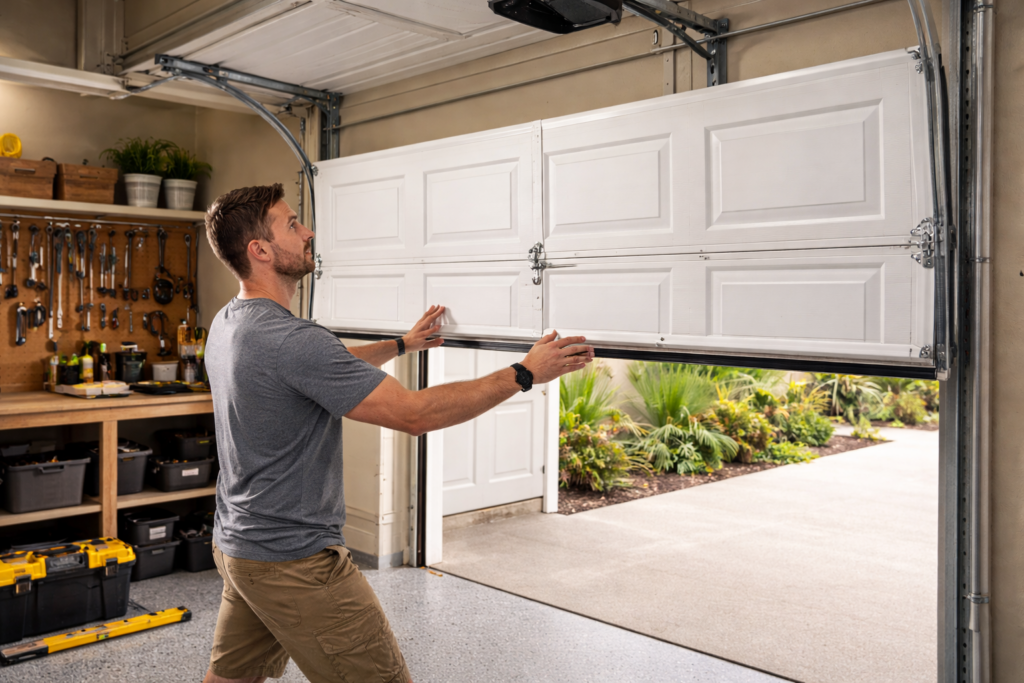
A garage door should stay in place when lifted halfway by hand. A slow drop means the system has lost its balance. Weak springs often cause this problem and force the opener to lift more weight than it should.
The warning signs below often appear before a larger failure develops:
- Door Slides Down When Partly Open: A balanced door should stay still when lifted halfway. A slow downward movement indicates the springs can no longer hold the door’s weight.
- Opener Begins Working Harder: The motor may sound louder or run longer during each cycle. Extra strain like this can wear out gears inside the opener.
- Door Looks Crooked While Moving: One side may rise faster than the other during operation. Uneven lifting often points to spring tension that has changed over time.
- Hardware Shows Faster Wear: Rollers, hinges, and brackets begin to wear down under uneven pressure. These parts must handle stress they were never designed to carry.
Balance problems rarely resolve on their own and often worsen with continued use. Many homeowners call Love Garage Doors for professional garage door repairs in Wichita, KS, when the door begins to drift or move unevenly.
Opener Motors That Struggle With Aging Doors
A garage door opener usually shows signs of stress before it quits. The motor may hum longer than it used to and slow down near the end of the lift. Extra resistance inside the door system forces the opener to work harder during each cycle.
Hidden problems inside the door can create that resistance. Springs lose strength with age, and rollers stop moving as smoothly as they once did. The opener begins doing more of the lifting that the springs should handle.
Wear inside the motor builds as the workload increases. Small gears inside the unit grind down as the opener pushes the door through each cycle. A motor pushed beyond its limits will eventually fail when those internal parts give out.
Stop Small Problems With Professional Garage Door Repair In Wichita, KS
Garage door problems rarely stay small for long. Strange noises, uneven movement, or a door that struggles to close often signal deeper issues inside the system. Love Garage Doors helps homeowners fix these problems early with reliable professional garage door repair in Wichita, KS.
Frequently Asked Questions
What are the early signs a garage door is starting to fail?
Garage doors usually show warning signs before a major breakdown happens. Shaking, loud grinding sounds, slow movement, or a door that struggles to close often point to worn parts inside the system.
Why does my garage door suddenly feel heavier to lift?
A garage door often feels heavy as its springs begin to lose tension. The springs carry most of the door’s weight, so when they weaken, the door becomes much harder to lift.
What causes a garage door to come off its track?
Roller damage, bent tracks, or a hard impact can cause the door to go out of alignment. Once the rollers slip outside the track, the door can jam or tilt sharply during operation.
Why does my garage door opener sound like it is struggling?
An opener that hums, stalls, or moves slowly often works harder than it should. Worn springs, poor door balance, or track problems can force the motor to carry extra strain.
How can homeowners prevent common garage door problems?
Regular inspections help catch worn rollers, loose hardware, and aging springs early. Simple maintenance and timely repairs keep the entire system moving smoothly and help prevent sudden failures.