
What Freezing Temperatures Do To The Different Parts Of Your Garage Door
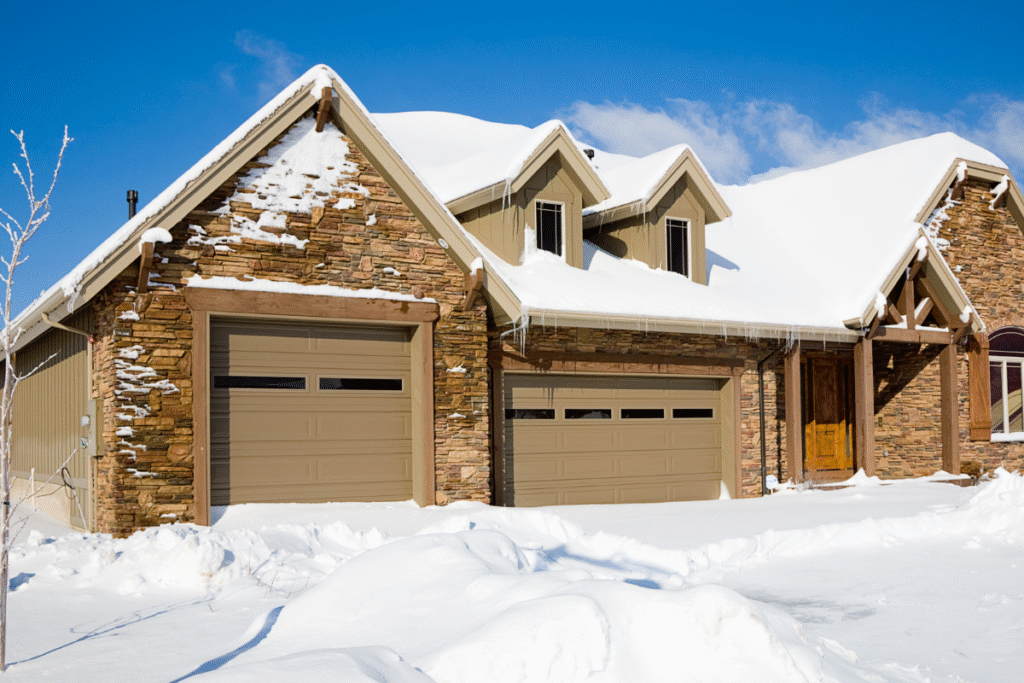
When winter hits Kansas, your garage door feels it first. Freezing air, moisture, and shifting metal can all take a toll on how well it works. Regular garage door maintenance in Derby, KS, helps you stay ahead of these cold-weather issues before they become expensive repairs.
Cold temperatures test every part of your garage door. Springs lose strength, tracks shift, and openers strain to keep up with the extra resistance. These small changes add up fast, and before you know it, your once-smooth door starts making noises or refuses to open at all.
Love Garage Doors helps homeowners avoid those stressful winter breakdowns with maintenance and care that keep doors working through the cold. Our team understands how Kansas weather affects each component of a garage door system and how to maintain its reliability throughout the year.
Read on to see how freezing temperatures impact the different parts of your garage door and what you can do to prevent damage.
Key Takeaways
- Cold weather puts extra stress on your garage door and can cause parts to tighten, crack, or stop working smoothly.
- Freezing air causes metal to contract and seals to harden, resulting in noise, drafts, and doors that struggle to open.
- Routine maintenance keeps your garage door moving easily, protects against damage, and helps it last through harsh winters.
Springs Under Pressure
Cold weather puts heavy strain on steel springs. As temperatures drop, metals stiffen and lose flexibility. This small change can lead to sudden failure when tension builds past the breaking point.
Every use adds stress that wears down the spring’s strength. Even a slight imbalance can make one side work harder than the other. Over time, this uneven pull speeds up damage and increases the likelihood of breakage.
Regular inspections keep springs in working shape. A trained technician can test balance and tension before problems start. Replacing worn parts early keeps the system safe and prevents costly breakdowns.
Why Does My Garage Door Get Louder In The Winter
Your garage door becomes louder in winter because cold weather tightens the metal parts and limits their movement. The shrinking steel pulls on bolts and hinges, creating more friction with every motion. That extra stress makes each lift and close sound rougher and wear out parts faster.
Lubrication thickens in the cold, leaving joints dry and noisy. Regular tune-ups help keep tracks smooth and parts flexible even when temperatures fall. A skilled technician can balance the system and restore quiet performance.
Do you need a quieter garage door this winter? Invest in professional garage door maintenance in Derby, KS, from Love Garage Doors to protect your system and extend its life.
Tracks That Shift Out Of Line
Cold weather makes metal tracks contract and shift slightly out of place. That small movement can throw off alignment and cause extra strain every time the door moves.
Signs Of Misaligned Tracks
A garage door that jerks or squeals during movement often has shifted tracks. You might notice gaps between the rollers and rails or uneven wear along the edges. These signs show that the rollers are fighting against the track instead of gliding smoothly.
Impact On Door Performance
When tracks move out of line, the door panels lose balance and twist under pressure. This uneven motion can cause cables to loosen or springs to wear faster. The longer it runs like this, the more likely it is to damage the motor or opener system.
Preventing Winter Track Problems
Keeping the track area clean helps reduce buildup that worsens alignment issues. A technician can tighten brackets and adjust roller angles before winter sets in. Early maintenance keeps the door quiet, balanced, and protected from costly mid-season repairs.
Rollers That Stop Rolling
Cold air and moisture can cause garage door rollers to freeze against the track. When the door moves, the rollers drag and scrape instead of turning. This grinding action bends the track and makes the opener work harder every time you use it.
Frozen rollers create more strain on the motor and cables with each cycle. The extra effort wears down parts that should move freely and evenly. If left alone, this stress can cause breaks that leave the door stuck halfway open on a cold morning.
Preventing this problem takes regular care before winter starts. A technician adds cold-safe lubricant and checks each roller for damage or rust. This simple step keeps the system moving quietly and protects the track from costly repairs.
Why Won’t My Garage Door Opener Work When It’s Cold?
Cold weather makes garage door openers work harder than usual. The grease inside the motor thickens, and the drive belt or chain becomes stiff. This extra resistance slows the system and can cause the motor to hum or stop without lifting the door.
A technician can fix these issues before winter causes damage. Replacing heavy grease with a winter-grade formula keeps the motor and chain moving smoothly. Scheduling professional garage door maintenance in Derby, KS, helps your opener stay reliable even on the coldest mornings.
Cables On The Edge
Cold nights leave steel cables exposed to freezing moisture that settles into the strands. When ice melts, it leaves behind tiny rust spots that slowly eat through the metal. Over time, that damage weakens the cables and makes them more likely to snap when the door moves.
Frayed cables often show warning signs before they fail. You may notice loose wires or observe uneven lifting as the door opens. These small changes indicate that the cables are losing strength and require attention before a full break occurs.
Regular winter service keeps cables in good condition. A technician checks for rust, tightens connections, and replaces any worn sections. This simple care keeps your door safe and prevents sudden cable failure during cold weather.
Hinges That Lock Up
Cold air makes metal hinges tighten and lose their natural movement. When they stiffen, the door panels flex instead of turning as they should. This constant strain can cause the joints to crack and alter the way the panels fit together.
The following areas benefit most from winter hinge maintenance:
- Lubrication Quality: Old grease collects dirt and thickens in cold weather. Cleaning and applying a cold-safe lubricant keeps hinges smooth and protects them from rust.
- Hinge Alignment: Even small shifts can throw the door off balance and stress the opener. Technicians adjust and secure the hinges to restore proper movement.
- Metal Fatigue: Repeated freezing weakens hinge pins and edges over time. Replacing tired parts early helps prevent cracks and keeps panels stable.
Consistent maintenance protects hinge strength and helps your garage door move quietly through the winter.
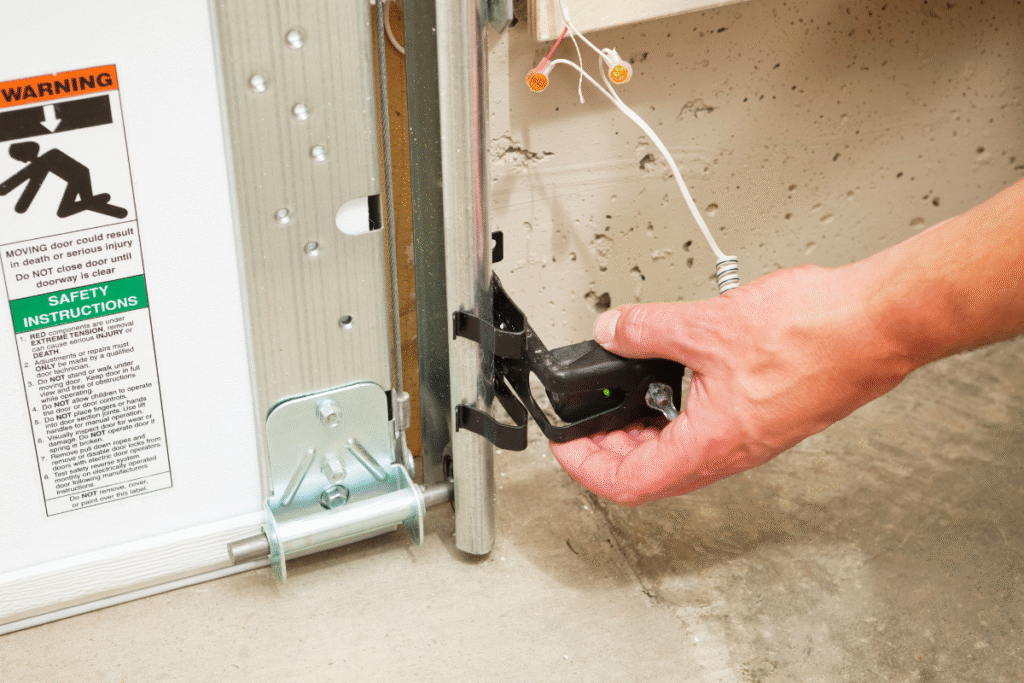
Fogged Or Frosted Sensors
Winter moisture can confuse your garage door sensors. When cold air turns condensation into fog or frost, the safety system loses its clear signal. The opener senses something blocking the path and refuses to close for safety.
Frost buildup often happens on chilly mornings or in garages with poor ventilation. Even a light film of moisture can stop the sensors from communicating. That small disruption turns a normal routine into a daily hassle.
Technicians prevent this issue with simple seasonal care. They clean the sensor lenses, fine-tune the alignment, and test the signal for reliability. Regular service ensures your door closes smoothly, regardless of how cold or damp the air becomes.
The Hidden Strain On Bolts And Brackets
Cold temperatures quietly wear down the hardware that holds your garage door together. As metal parts expand and contract, the bolts and brackets start to loosen. Each vibration during use adds more movement until the door feels shaky or uneven.
Loose connections make the system work harder than it should. The constant pressure can cause the frame to twist and pull against the motor. Over time, this stress leads to bending, warping, and early failure of vital parts.
Winter maintenance protects these small but important components. A technician checks each bolt, tightens brackets, and replaces worn fasteners. This attention keeps your door stable, balanced, and strong through the coldest months.
Keep Your Home Running Smoothly With Garage Door Maintenance in Derby, KS
Winter doesn’t have to mean stuck doors or costly repairs. A little upkeep goes a long way in keeping your garage quiet, safe, and reliable when the cold hits. Love Garage Doors ensures your system remains strong, efficient, and ready for every Kansas winter.
Frequently Asked Questions
How can I keep my garage door from freezing shut in cold weather?
Moisture often freezes along the bottom seal, trapping the door to the ground. Keeping seals clean, dry, and treated with silicone spray helps prevent ice buildup and ensure doors open smoothly.
What happens if I keep using my garage door when it’s frozen or stiff?
Forcing a frozen door can bend the tracks or damage the opener. It’s safer to have a professional inspect the system before using it again.
How does winter weather affect garage door insulation?
Cold air seeps through thin or cracked panels, reducing the insulation’s ability to keep your garage warm. Upgrading to insulated panels helps maintain heat and lower energy costs.
Why does my garage door make loud noises in cold temperatures?
Metal contracts in freezing air, making bolts, springs, and hinges rub tighter against each other. Regular lubrication and maintenance keep those parts moving quietly.
When is the best time to schedule garage door maintenance before winter?
Late fall is the perfect time to have your system checked before the first hard freeze. A professional can make small adjustments that prevent bigger problems once temperatures drop.