
8 Signs Your Existing Garage Door Won’t Survive Another Kansas Winter
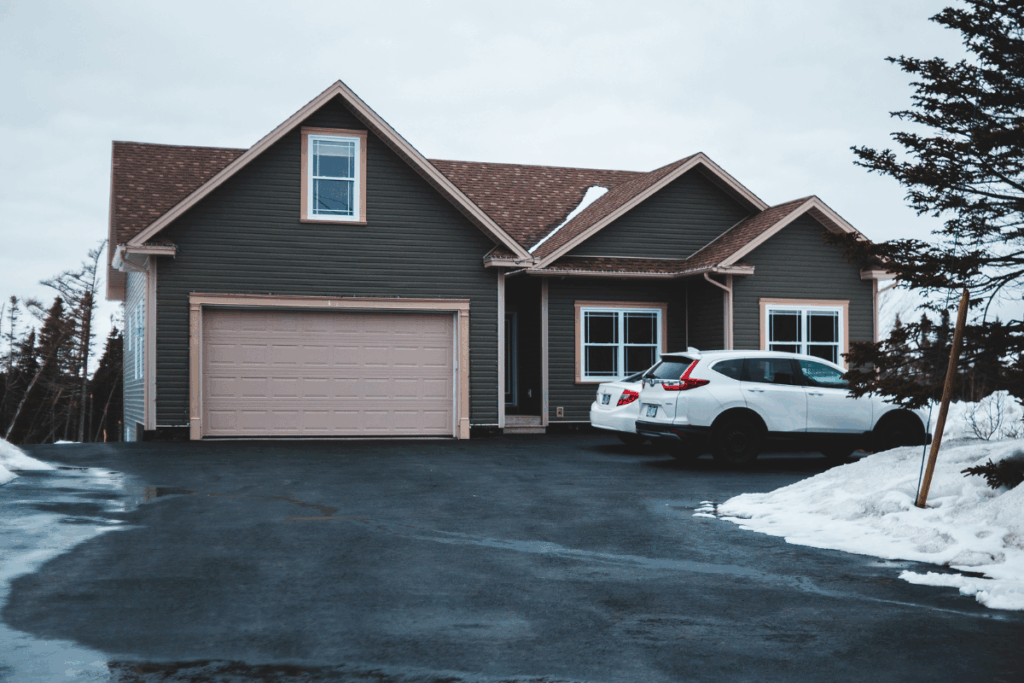
Kansas winters test everything, especially your garage door. The constant freezing and thawing can turn minor issues into major repair bills before you know it. A new garage door in Wichita, KS, helps you avoid those cold-weather surprises and keeps your home running smoothly.
Love Garage Doors knows how the Kansas climate wears down old doors. Our team installs durable, insulated models that handle heavy use, freezing air, and sudden temperature swings without complaint. When your door starts fighting the cold instead of keeping it out, it’s time for an upgrade that works as hard as you do.
Read on to see the warning signs that your garage door won’t survive another Kansas winter.
Key Takeaways
- Your garage door tells you when it’s reaching the end, and ignoring those signs can make winter a lot rougher.
- Small issues, such as slow movement, cold drafts, and strange noises, often indicate that bigger problems are on the way.
- Upgrading now keeps your garage warmer, quieter, and ready to handle whatever winter throws at it.
Unusual Noises You Can’t Ignore
Grinding, popping, or rattling sounds mean more than simple wear. Cold metal tightens up in winter and puts stress on weak parts.
Grinding Means Metal on Metal Friction
Grinding means that rollers or tracks are rubbing against each other. The friction heats the metal and wears it down. This pressure can damage the opener and prevent the door from moving smoothly.
Popping Signals Torsion Spring Stress
Popping sounds come from springs that are tightening unevenly. The cold makes the metal stiff and brittle. If a spring breaks, the door can fall or refuse to open.
Rattling Points to Hardware Fatigue
Rattling means bolts or hinges are loose. The noise indicates that parts are vibrating every time the door opens. Over time, this can lead to bent panels or broken hinges that require repair.
Slow and Uneven Movement
A garage door that hesitates or shakes is showing signs of trouble. Each movement takes more effort, which puts strain on the opener. Once winter hits, that extra work can lead to sudden failure when you need the door most.
Cold weather makes metal parts stiff and the lubricant thick. The opener then pushes harder against the resistance, causing jerky or uneven motion. These small struggles add up, wearing out gears and springs faster than expected.
A new garage door in Wichita, KS, keeps your system balanced and smooth even in freezing weather. Modern models utilize stronger materials and improved insulation to minimize drag and stress. That upgrade protects your motor, saves repair costs, and helps your door last longer through Kansas winters.
Why Does My Garage Door Freeze to the Ground?
Your garage door freezes because melted snow seeps under the seal and turns to ice overnight. The frozen layer locks the door to the concrete, forcing the opener to pull harder than it should. That extra strain can cause panels to crack, wear out springs, and reduce the life of the entire system.
A worn seal allows moisture to enter even when the door appears closed. Ice builds up faster after every storm, and the door sticks more often as winter goes on. Installing a tight seal and insulated base prevents this freezing cycle from starting.
Looking for a better fix this winter? Love Garage Doors installs doors built to handle Kansas snow and cold without sticking.
Gaps That Let the Cold In
Cold air finds its way in through even the smallest openings around your garage door. What starts as a light draft soon turns into a steady chill that creeps into nearby rooms. Over time, your heating system works harder, and you end up paying more just to keep the house comfortable house.
Weather seals wear down slowly, so you may not notice the change immediately. The rubber hardens, cracks form, and the edges start to pull away from the frame. Once that happens, every gust of Kansas wind slips through and spreads the cold across your garage.
Replacing worn seals or upgrading to an insulated door closes those gaps for good. A tight seal keeps the space warmer, protects stored items, and helps your furnace run more efficiently. With a properly fitted door, your garage becomes a barrier against the cold, rather than an entry point for it.
Rust Creeping Across Hardware
Rust on your garage door hardware is a clear sign of wear that should never be ignored. When metal parts corrode, they lose strength and put extra strain on the opener. Hinges and cables that look a little rusty now can fail without warning once the weather turns colder.
Moisture and salt in the Kansas air make rust spread faster each year. Replacing a few parts can help for a while, but deep corrosion often means the damage has reached the frame or panels. In that case, replacing the entire garage door is the smarter and safer choice for lasting performance.
Springs That Struggle Under Pressure
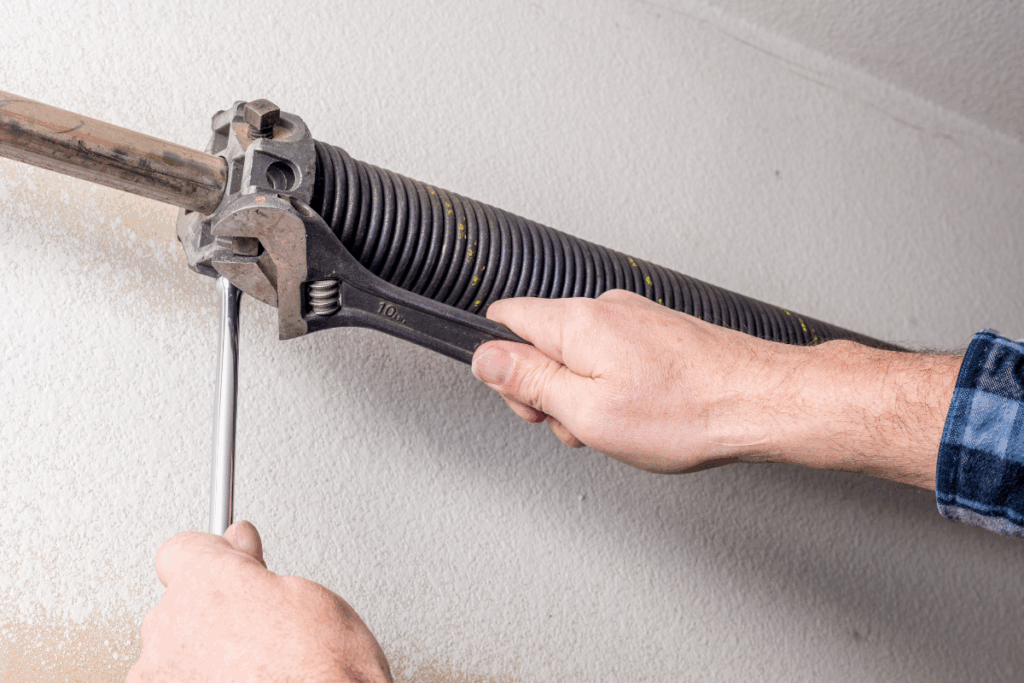
Cold weather tests every part of your garage door system, and the springs take the hardest hit. Brittle metal loses its flexibility, making it harder for the springs to balance the door’s weight. When that balance is lost, your opener works overtime and risks a complete breakdown.
The most common warning signs are easy to miss until the damage is done:
- Uneven Lifting: When one side of the door rises faster than the other, one spring is already weaker. The imbalance strains the tracks and can cause the door panels to bend over time.
- Loud Snapping Sounds: Sharp noises during opening or closing signal that coils are grinding or cracking. That noise means metal fatigue, and the spring could give out completely in freezing temperatures.
- Visible Rust or Gaps: Corrosion eats away at the tension in steel springs, causing visible rust or gaps. Even a small gap in the coil indicates that the spring has lost its strength and is nearing failure.
- Heavier Door Movement: If the door feels heavier than usual, the springs are no longer supporting the weight evenly. Forcing it open can burn out the opener motor and cause cables to snap.
A professional inspection or replacement before winter ensures the system stays safe and reliable. Installing new garage doors in Wichita, KS, provides your home with smoother operation, improved insulation, and dependable performance all year round.
Panels That Warp or Crack
Changing temperatures wear down your garage door over time. Wood swells when it’s damp, and metal tightens when it’s cold. These shifts cause panels to twist or crack, creating gaps that allow air and moisture to enter.
Once the panels weaken, the door no longer blocks the weather. Warm air leaks out, and cold air moves in. Replacing damaged panels or installing a new door keeps your garage safe and your home more comfortable through Kansas winters.
Misaligned Tracks and Rollers
A door that leans or shakes during movement has alignment issues that need attention. Metal tracks shift slightly over time as the door opens and closes. Cold weather causes the metal to contract, which loosens bolts and throws the system out of balance.
Once the tracks move out of position, rollers grind against the edges instead of gliding smoothly. This friction wears down the bearings and causes loud scraping sounds. If left unattended, the extra strain can cause the tracks to bend and damage the door panels.
Realigning the tracks and replacing worn rollers restores smooth movement and prevents major repairs later. A new garage door in Wichita, KS, built with durable, weather-resistant hardware, stays aligned through harsh temperature changes. That investment keeps your door quiet, efficient, and reliable every winter.
Stay Ahead of Winter with a New Garage Door in Wichita, KS
Winter has a way of exposing every weakness in an old garage door. Replacing yours now means fewer surprises, lower energy bills, and a smoother start to every cold morning. Trust Love Garage Doors to install a durable, insulated upgrade that keeps your home protected long after the snow melts.
Frequently Asked Questions
What happens if I ignore signs of garage door damage before winter?
Small problems grow fast once temperatures drop. Ignoring them can lead to frozen parts, broken springs, and a door that stops working when you need it most.
How do I know if my garage door insulation has worn out?
If your garage feels freezing while the rest of your home stays warm, the insulation is likely failing. Replacing the door with an insulated model helps trap heat and block drafts.
Why does my garage door make more noise in cold weather?
Cold air tightens metal parts and thickens old lubricant, which causes loud squeaks and grinding sounds. That noise indicates that your system is straining and may be close to failure.
What type of garage door works best for harsh winters?
An insulated steel or composite door with reinforced panels and strong weather seals performs best in freezing climates. It resists warping, blocks wind, and keeps the garage warmer all season.
How does professional installation help prevent winter garage door issues?
A professional ensures the door fits tightly, seals correctly, and moves smoothly through every cycle. That proper setup prevents cold air leaks, ice buildup, and unnecessary wear on the opener.