
The Silent Strain of Falling Temperatures: How Fall Impacts Garage Door Springs
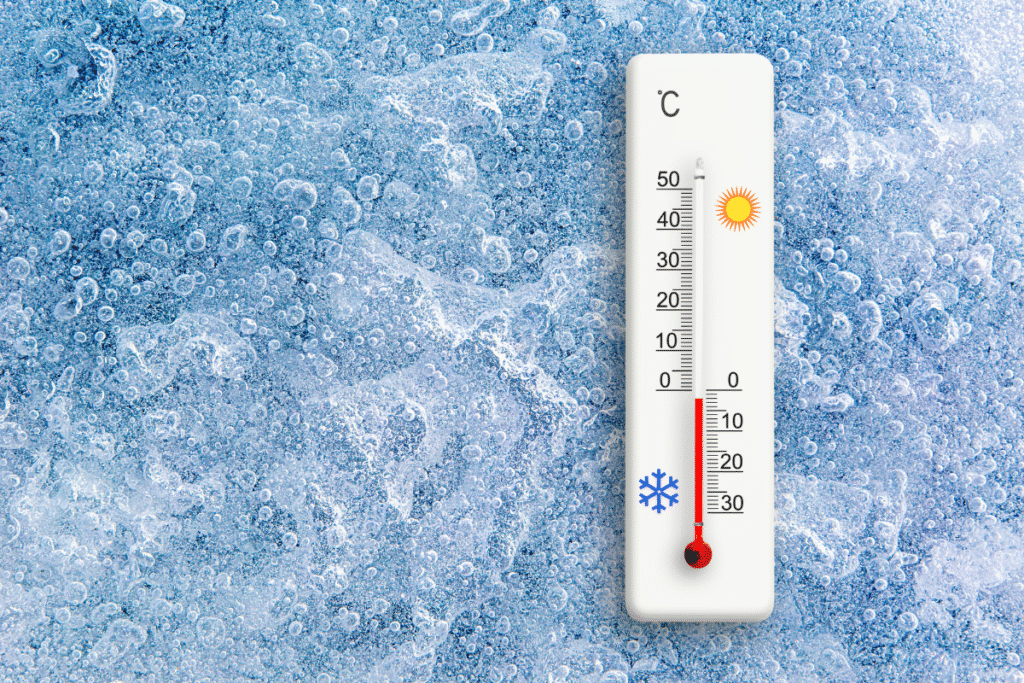
Cool mornings and sharp temperature drops put extra stress on garage door springs. Metal tightens as the air cools, and that hidden tension can push worn springs to the breaking point. Most homeowners don’t notice the problem until the door feels heavier or a loud snap leaves it stuck in place. That’s why fall is the smartest time to think about garage door spring repair in Wichita, KS.
Love Garage Doors understands how quickly seasonal changes can turn a minor issue into a big headache. Our technicians know what to look for and handle spring problems before they cause costly damage. A safe, reliable garage door keeps your family moving without interruptions, especially during busy fall schedules.
Read on to see how cooler weather affects springs and why calling in Love Garage Doors makes all the difference.
Metal Tightens As Air Cools
Garage door springs contract and lose flexibility when temperatures fall, forcing them to carry more tension. This hidden stress makes older springs more likely to fail without warning. Love Garage Doors technicians understand and address these seasonal changes before they cause costly problems.
Here are key ways colder weather impacts your springs:
- Increased Coil Stress – As metal contracts, the coils inside the spring pull tighter against each other. This added stress accelerates wear on weak spots and shortens the life of the spring.
- Reduced Lubrication Effectiveness – Cold air thickens lubricants, which limits their ability to reduce friction. Springs grind against hardware with less protection, creating faster metal fatigue.
- Imbalance Across Door Components – Uneven contraction between springs and cables throws off the door’s balance. This imbalance makes the motor work harder, which risks damaging both the opener and the track.
Addressing these issues in fall helps prevent sudden failures and keeps your garage door operating smoothly when needed.
Seasonal Fatigue Builds Quickly
Cooler weather puts extra strain on garage door springs that have been in use for years. As the metal contracts, weakened coils lose strength and struggle to hold the door’s weight. Small cracks or flaws inside the spring often break when temperatures drop.
Regular inspections catch these problems before they turn into a breakdown. Love Garage Doors technicians check for hidden stress that builds over time. Early repairs save money and prevent sudden failures during the fall season.
Cold Mornings Expose Weakness
Springs become brittle in the early morning chill when temperatures are at their lowest. This makes breakage more likely when you need your garage door to work without problems. A weak spring often fails under the extra tension created by the cold.
Love Garage Doors provides expert garage door spring repair in Wichita, KS, to prevent minor issues from becoming emergencies. Our technicians test spring strength and replace worn parts before they snap. Preventing failures early keeps your door safe and dependable every morning.
Temperature Swings Create Microfractures
Warm afternoons followed by chilly nights force garage door springs to expand and contract repeatedly. This constant cycle slowly weakens the metal and creates stress deep inside the coils. Over time, tiny cracks form that reduce the spring’s ability to hold weight safely.
These microfractures are almost impossible for homeowners to spot without training. Love Garage Doors professionals use detailed inspections to find hidden damage before it causes failure. Catching these small issues early helps keep your garage door working smoothly through the changing seasons.
Heavier Doors Signal Trouble
A garage door that feels heavier than usual often points to failing springs. Losing tension in the springs forces the opener and cables to carry weight they were not designed to handle.
Strain on the Opener
When springs weaken, the opener must lift far more weight than normal. This strain burns out motors faster and shortens the lifespan of the entire system. Ignoring the problem often leads to expensive replacements that could have been avoided with timely spring service.
Uneven Door Movement
Springs that lose tension cause the door to move unevenly as it opens and closes. The imbalance twists tracks and misaligns rollers, which creates extra wear on every moving part. Over time, these issues make the door noisier and less reliable during daily use.
Safety Hazards for Families
A door that feels heavy can drop without warning if the springs fail completely. This risk is highest when the door is halfway open and gravity takes over. Replacing weak springs removes this danger and keeps your garage safe for everyone in the home.
Hidden Stress Strains Other Parts
Weakened springs transfer their workload to other parts of the garage door system. Tracks bend under the extra weight, rollers wear down faster, and the opener works harder than it should. These hidden strains cause more than one repair and quickly increase costs.
Skilled technicians at Love Garage Doors focus on fixing the problem at its source. Addressing spring issues early protects every moving part and extends the life of the system. Preventing this chain reaction keeps your garage door running smoothly through daily use.
Rust Rises With Fall Moisture
Cool mornings and damp fall air create the perfect conditions for rust to spread on garage door springs. Corrosion weakens exposed coils, reducing their strength and raising the risk of sudden failure.
Love Garage Doors provides maintenance that shields springs from moisture and slows rust damage. When replacement is the safer choice, technicians install durable parts built to handle seasonal changes. This service keeps your garage door reliable and safe year-round.
Warning Sounds Get Louder
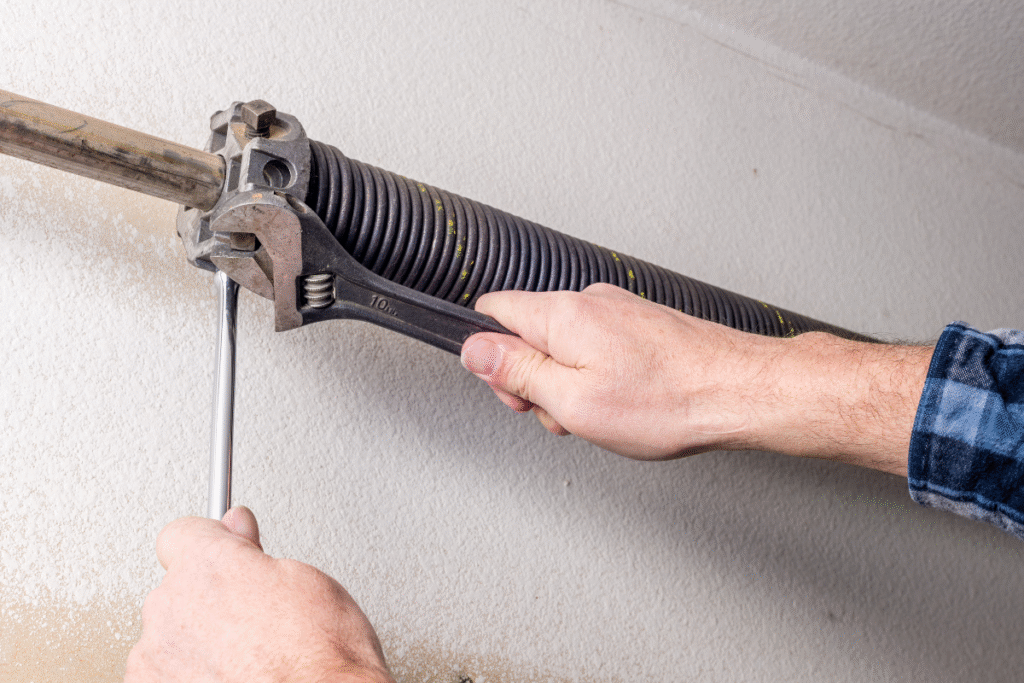
Popping, squeaking, or grinding noises often signal that garage door springs are under heavy stress. These sounds mean the metal is straining and beginning to fail under daily use. Ignoring them increases the chance of sudden breakage and higher repair costs.
A careful inspection will show whether the springs only need a minor adjustment or if replacement is required. Fixing the problem quickly protects the entire system and helps prevent damage to other moving parts. Staying alert to these sounds keeps your garage door safe and reliable.
Cold Breaks Are Sudden And Severe
Colder weather puts extra tension on garage door springs already weakened by years of use. Many break suddenly without warning, leaving the door heavy and stuck in place. This creates an immediate problem for daily routines and home security.
Fast replacement is the only way to restore safe and reliable operation. Professional technicians install new springs designed to handle seasonal changes and reduce the risk of another failure. Quick action keeps the door working smoothly when temperatures drop.
Safety Becomes A Bigger Risk
A broken garage door spring can release its tension in an instant. When that happens, the heavy door may slam down with enough force to damage property or cause serious injury. These accidents often come without warning and create a dangerous situation.
Regular inspections help catch weak springs before they fail. Trained technicians know how to spot hidden stress and measure the strength left in the coils. Early replacement removes the risk and keeps the door operating safely.
Protecting your family starts with keeping the garage door in reliable condition. A strong spring system supports the door’s weight and prevents sudden drops. Staying ahead of wear and tear reduces emergencies and adds peace of mind.
Protect Your Home With Garage Door Spring Repair in Wichita, KS
Cold weather puts more pressure on springs than most homeowners realize, and ignoring the signs can lead to sudden breakdowns. Love Garage Doors provides the expert service needed to keep your door safe, balanced, and dependable through every season. Call our team today and avoid the stress of an unexpected repair this fall.
Key Takeaways
Why do garage door springs break more often in the fall?
Cool mornings and sharp temperature drops cause metal springs to contract and lose flexibility. This hidden tension makes worn or aging springs more likely to snap without warning.
How can I tell if my garage door springs are failing?
A door that feels heavier, moves unevenly, or makes popping and grinding sounds often signals weakening springs. These are early warning signs that need attention before a full break occurs.
What damage happens when springs weaken but don’t break?
Strain shifts to the opener, rollers, and tracks, multiplying repair costs. If ignored, hidden stress like this shortens the lifespan of the entire system.
Can rust affect garage door springs during fall weather?
Yes, condensation and damp fall air speed up rust on exposed coils. Corrosion weakens the metal, making springs more likely to fail under daily use.
Is it safer to repair or replace a weak garage door spring?
Minor tension issues can sometimes be adjusted, but most weakened springs require replacement. Installing new springs ensures safety and prevents sudden drops that put people at risk.