
The Garage Door Safety Red Flags You Can’t Ignore
A garage door can seem fine right up until one part stops doing its job. Small changes in sound, movement, weight, or response time often point to deeper wear inside the system. Professional garage door repair in Park City, KS, gives homeowners a safer way to deal with those warning signs before the door becomes harder to use.
Love Garage Doors helps take the guesswork out of strange garage door behavior. Our team looks at the full system rather than treating one symptom as the whole problem. Springs, cables, rollers, tracks, sensors, and openers all affect how safely the door moves.
Safety starts with knowing what deserves a closer look.
Learn more about the garage door red flags you should never ignore.
Key Takeaways
- Small garage door problems often send a warning before they turn into a safety risk.
- A door that shakes, drops, drags, or moves crooked deserves more than a quick guess.
- Springs, cables, tracks, rollers, and sensors all work together, so one weak part can stress the whole system.
Spring Gaps Mean Stop Using the Door
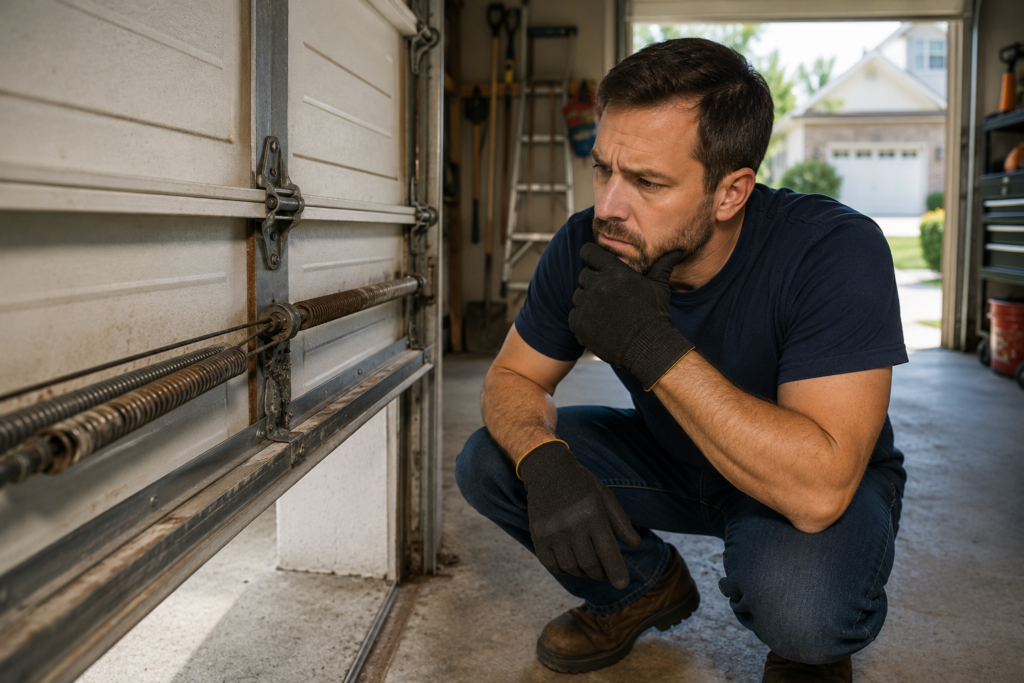
A gap in the torsion spring is not a small detail. It means the spring has snapped, and the door no longer has the support it needs to move safely. One visible break is enough reason to stop using the door right away.
The opener may still hum, shake, or try to pull the door up. That does not mean the system is working. A broken spring forces the motor to fight the full weight of the door, which can cause more damage fast.
Homeowners should never push, lift, or force the door once a spring gap appears. Love Garage Doors can inspect the spring, cables, opener, and full system before anyone uses the door again. Safe garage door repair in Park City, KS, starts with knowing when the door needs to stay closed.
Cables That Look Like Frayed Rope
A cable should look tight, clean, and solid along the sides of the door. When the metal strands start to peel apart, the lift system is no longer working with full strength. That rough, rope-like look is a clear sign the door needs to stay put.
Heavy doors do not give much warning when a cable is close to failing. One bad cable can pull the door unevenly and make the panels twist in the opening. Stop using the door until the cable problem is checked, because forcing it can make the danger worse.
Why Is My Garage Door Closing Crooked?
Sideways movement is a sign that the door is no longer moving as one piece. One side could be dragging because of a worn roller, bent track, weak cable, or spring imbalance. Each uneven close can twist the panels and put more stress on the parts that guide the door.
Crooked closing should be treated like a safety warning, not a small annoyance. Pressure builds fast when the door pulls harder on one side than the other. Leave the door alone until the full system is checked, because another cycle can make the damage worse.
The Door Drops Instead Of Glides
A garage door should lower with control, not fall like dead weight. When the door drops fast, the system is giving you a clear warning that something is no longer helping hold the load.
Lost Balance Can Turn The Door Into A Falling Weight
A balanced door should not feel like it is fighting gravity on every move. When the balance is off, the opener and hardware have to manage more force than they were made to handle. That can make the door harder to stop once it starts coming down.
A Sudden Drop Can Catch People Off Guard
Fast movement leaves almost no time to react. Someone walking under the door, moving a trash bin, or unloading the car could be in the wrong spot at the wrong second. The danger is not just the speed, but how little warning the door gives before it hits.
Hard Landings Can Spread Damage Through The System
A door that slams shut sends force into the panels, hinges, brackets, rollers, and opener arm. Those parts can loosen, bend, or shift after repeated impact. One rough landing can also make the next close even less controlled.
Rollers Keep Jumping The Track
Track trouble becomes urgent when the rollers will not stay seated. Loose rollers, bent rails, or poor alignment can make the door shift instead of travel straight. This is the kind of problem that calls for garage door repair in Park City, KS, before the door slips farther out of place.
Misaligned rollers can cause the door to go into a bad angle with every move. Brackets may loosen, panels may strain, and the opener may push against a door that is no longer on a safe path. Stop using the system before a repairable roller issue becomes a full-on off-track emergency.
The Opener Sounds Like It Is Fighting
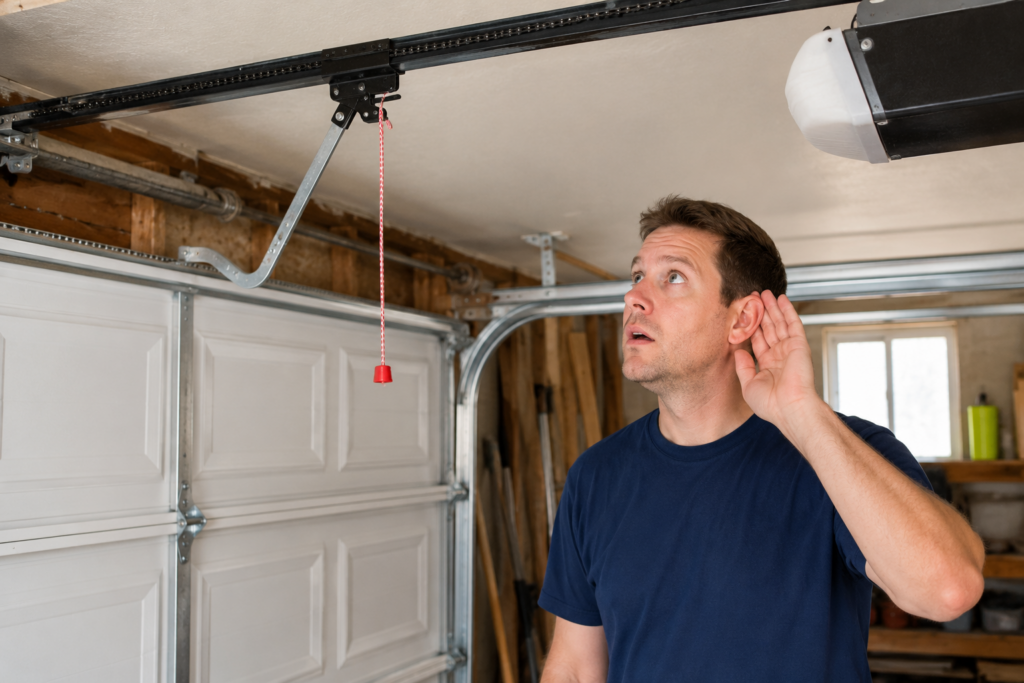
A loud opener is usually trying to tell you something. The motor should lift the door with a steady pull, not grind, strain, or sound like it is stuck in a tug-of-war. When that sound changes, the door may be too heavy for the opener to handle safely.
Heavy movement often starts with another part of the system. Weak springs, tight rollers, bent hardware, or poor balance can make the opener work harder than it should. Replacing the motor alone will not fix the danger if the door still drags or binds.
Strain on the opener can lead to bigger problems over time. Gears can wear out, the rail can shake, and the door can stop halfway when you need it to move. A full system check helps find the real cause before one tired motor becomes a safety issue.
Loose Brackets Near The Bottom
Bottom brackets are small, but they sit in one of the most dangerous spots on the door. These parts connect with the cable system, which helps control the door’s heavy lift. When a bracket looks loose, bent, or rusty, the safest move is to stop before touching it.
The warning signs are easy to miss, but they matter:
- Cable Tension Can Release Fast: A bottom bracket is tied to parts under strong pull. One wrong turn of a tool can make the cable snap loose and move with serious force.
- Rust Can Hide Weak Metal: A bracket may look stained on the outside while the metal is already breaking down inside. That hidden weakness can make the part fail when the door moves.
- Loose Hardware Can Change The Door’s Path: A shifting bracket can pull one side of the door out of line. That extra pull can stress the cables, rollers, and lower panel.
- Quick Tightening Can Make Things Worse: A loose bracket is not always fixed with a wrench. Love Garage Doors checks the cable tension, bracket condition, and lower door hardware before making the repair.
A bottom bracket problem should be treated like a safety issue, not a simple loose screw.
Stay Ahead of Trouble With Professional Garage Door Repair in Park City, KS
Garage door safety problems often start with small signs, not sudden failure. Odd sounds, uneven movement, weak springs, loose cables, and sensor issues can all make the door less safe to use. Love Garage Doors helps homeowners spot the real problem early, fix it the right way, and keep the door moving safely.
Frequently Asked Questions
What are the first signs of an unsafe garage door?
The first signs often show up as shaking, grinding, uneven movement, or a door that feels heavier than usual. These clues can point to worn springs, weak cables, loose hardware, or track problems.
Is it safe to use a garage door with frayed cables?
A garage door with frayed cables is not safe to keep using. The cables help control the door’s weight, and one weak cable can cause the door to tilt, jam, or drop.
Why does my garage door shake when opening or closing?
A shaking garage door often means the rollers, hinges, tracks, or brackets are under stress. The longer it keeps moving that way, the more strain it puts on the full system.
When should I call for professional garage door repair in Park City, KS?
You should call for professional garage door repair in Park City, KS when the door moves unevenly, makes loud sounds, drops too fast, or will not stay open. Love Garage Doors can inspect the full system and find the real cause before the issue gets worse.
What garage door parts are dangerous to fix yourself?
Springs, cables, and bottom brackets are some of the most dangerous parts to fix without the right training. These parts stay under heavy tension, so one wrong move can cause sudden movement or serious injury.