
8 Mistakes Homeowners Make When Their Garage Door Stops Working
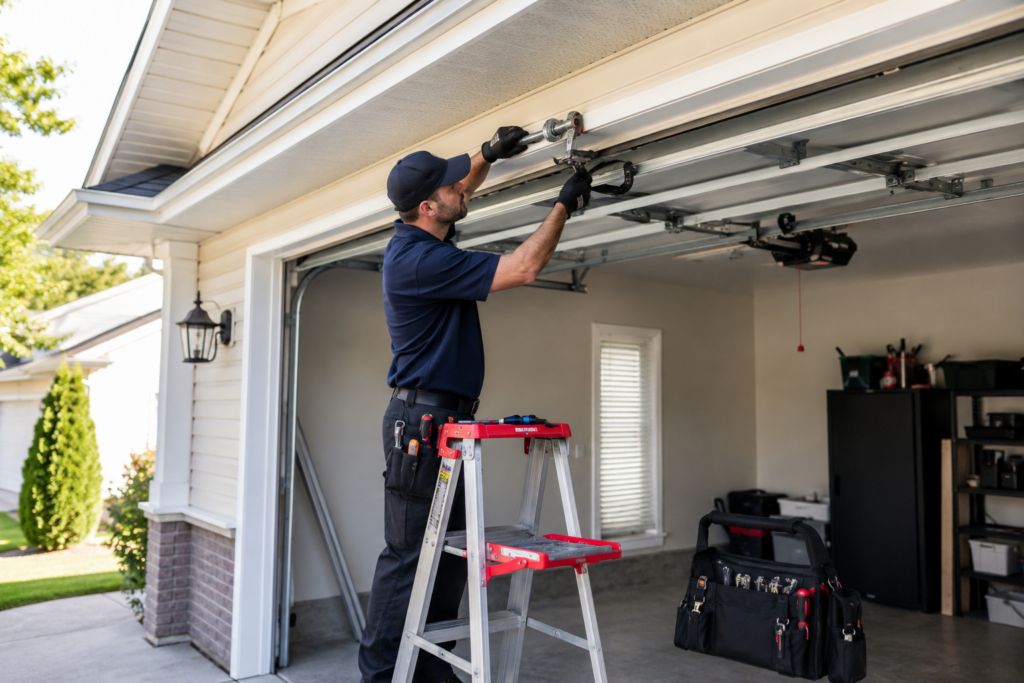
A stuck garage door can throw off your whole day fast. Calling a Wichita garage door company like Love Garage Doors helps you avoid guessing, forcing parts, or turning a small issue into a bigger repair. Our team can inspect the door, find what went wrong, and fix the problem safely.
Garage doors look simple, but every part has a job. Springs, cables, tracks, sensors, openers, and panels all work together, so one weak part can stop the whole system. A calm repair plan is much better than pressing the button over and over and hoping the door changes its mind.
Read on to learn which mistakes can make a broken garage door more expensive, unsafe, or frustrating.
Key Takeaways
- A garage door that will not move is usually a warning of a deeper issue, not a call to press the button harder.
- Small choices, like forcing the door or pulling the emergency release too fast, can turn a simple fix into a costly repair.
- Springs, cables, tracks, sensors, and openers all work together, so guessing at the problem can make the door less safe.
Forcing the Door to Move
A stuck garage door can make you want to push harder, but that is often the fastest way to make things worse. The door may be jammed because a spring, cable, roller, or track is under stress. Extra force can bend parts that were still fixable.
Heavy garage doors are built to move in a controlled way. When something is off, pulling or shoving the door can snap cables, damage the opener, or throw the tracks out of line. That can turn one repair into a longer and more costly job.
Patience can save you money and keep you safer. Stop using the door if it will not move the right way. A trained technician can identify the stuck point and fix the underlying issue before more parts are damaged.
Assuming the Opener Is the Problem
Garage door openers get blamed fast when the door stops moving. That guess can cost more than it should if the opener is still working. The real issue may be hiding in the springs, cables, rollers, tracks, or sensors.
Broken springs can keep the door too heavy for the opener to lift. Loose cables can cause smooth movement to stop and make the door sit unevenly. Blocked sensors can also make the system act dead, even when power is reaching the unit.
Replacing the opener first may leave you with the same stuck door and a bigger bill. A full inspection helps find the part that actually failed. Smart repairs start with the cause, not the easiest part to blame.
Pulling the Emergency Release Too Fast
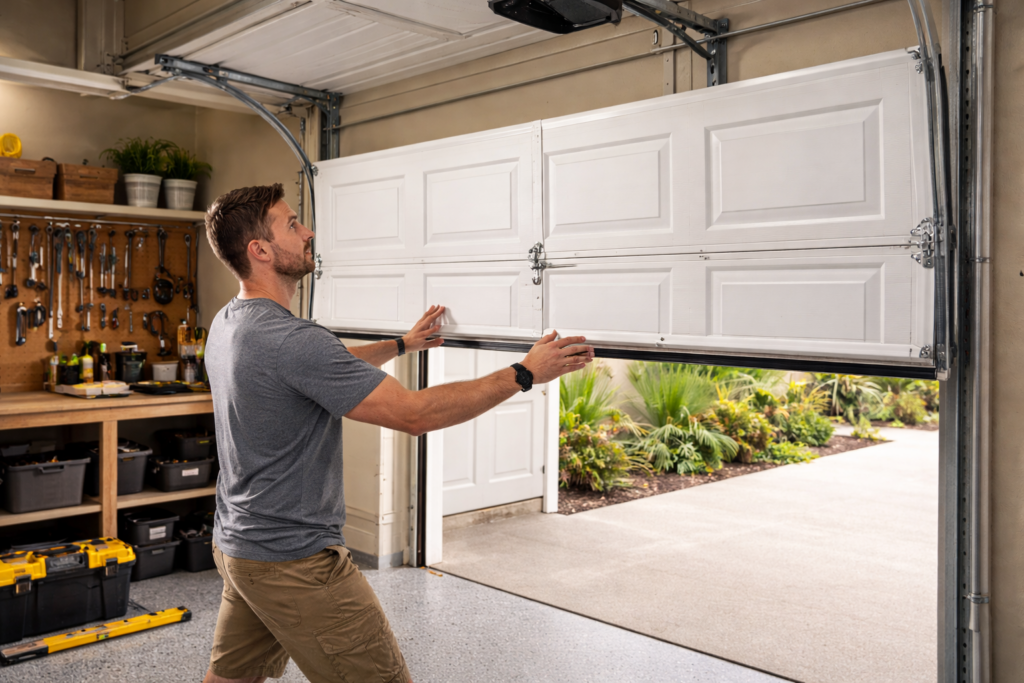
One quick pull can create a bigger problem when the garage door is already stuck. The emergency release separates the opener from the door, which changes how the door is supported. If a key part is broken, the door may drop instead of staying in place.
Heavy doors can become dangerous when a spring snaps or a cable slips loose. A Wichita garage door company can check the system before anyone tries to lift or lower the door by hand. Pulling the cord while standing under the door puts you in a risky spot.
Safe handling starts with slowing down. Keep the area clear until the door can be inspected. Love Garage Doors can find the failed part and help restore safe movement without guessing.
Ignoring a Crooked Door
A garage door should move evenly, not lean, drag, or hang lower on one side. When it looks crooked, the system is warning you that the door is no longer balanced.
Uneven Weight Can Strain the Whole System
A garage door is heavy, and its weight needs to be shared the right way. When one side carries more pressure, the opener has to work harder than it should. That extra strain can wear out parts faster and make the next repair more expensive.
Track Damage Can Get Worse Fast
A crooked door may scrape, bind, or pull against the tracks as it moves. Each use can make small bends worse and push rollers out of place. Once the door slips further out of line, it can become harder and less safe to move.
Panel Stress Can Lead to Bigger Repairs
Garage door panels are made to move together in a smooth line. When the door twists, the panels can bend at the seams and weaken over time. Catching the problem early can help protect the door from damage that spreads across the full system.
Why Is My Garage Door Stuck Halfway?
A garage door stuck halfway usually means something in the system is under strain. The track may be bent, the spring tension may be off, or the opener may be struggling with too much weight. Pressing the wall button again can make weak parts work even harder.
Halfway is a warning point, not a place to force the door past. Each try can pull on cables, stress the opener, or make the door shift out of line. A careful inspection can find the real cause before the repair gets larger.
Treating Loud Noises Like Normal Wear
Odd sounds from a garage door usually mean something needs attention. Grinding can happen when metal parts rub instead of moving smoothly. Scraping may point to rollers, tracks, or hinges that are wearing down.
Sharp pops or heavy bangs can signal stress inside the system. Loose hardware, tired springs, or strained cables can make the door sound rough as it moves. Delaying the repair can give those weak parts more time to fail.
Noise is often the door’s way of asking for help before it stops working. An early inspection can catch small issues before they turn into a breakdown. Better timing can help protect the opener, the door, and the people using the garage.
Overlooking Sensor Alignment
A garage door that will not close may be responding to a minor sensor issue. Dust, leaves, spider webs, or a light bump can break the signal between the two sensors. The opener may read that as danger and send the door back up.
Simple sensor trouble can look like a major failure if you do not know what to check. The door may start down, stop, blink, or reverse even when the path looks clear. That can lead homeowners to blame the opener when the safety eyes are the real issue.
Clean sensors and proper alignment help the system make the right call. Both sides need a clear line across the bottom of the door opening. If the door still refuses to close, a technician can check the wiring, brackets, and opener settings.

Trying to Bend Tracks Back Into Shape
A bent garage door track can make the whole door act rough, stuck, or unsafe. It may seem easy to push the metal back into place, but tracks need the right spacing and angle to guide the rollers. A small bend in the wrong spot can create more strain every time the door moves.
Here is what can go wrong when track repairs are rushed:
- Rollers can bind: Garage door rollers need a smooth path to move without catching. A track that is bent too far inward can pinch the rollers and make the door jerk, drag, or stop.
- The door can shift out of line: Tracks help keep the door moving evenly on both sides. Poor alignment can make one side pull harder, which can stress cables, hinges, and panels.
- Small gaps can become safety risks: A track may look close enough after a quick bend, but even a slight spacing issue can affect how the door travels. That can cause rollers to slip out when the door is under load.
- Hidden damage can be missed: A bent track may be a sign of a deeper issue, like worn rollers, loose brackets, or impact damage. Fixing only the visible bend can leave the real problem in place.
A safer repair starts with checking the full track system before anyone tries to reshape the metal.
Contact Our Wichita Garage Door Company
A stuck garage door can feel like a small headache, but one wrong move can make it unsafe, expensive, and harder to fix. Love Garage Doors can find the real problem before guessing turns into damage. Call Love Garage Doors when your garage door stops working, so the repair gets handled the right way the first time.
Frequently Asked Questions
Why does my garage door stop working all at once?
A garage door can stop working when one part finally gives out after weeks or months of wear. Springs, cables, sensors, tracks, and openers all depend on each other, so one weak spot can shut the whole system down.
What should I check first when my garage door will not close?
Start with the safety sensors near the bottom of the tracks. Dirt, poor alignment, or something blocking the beam can stop the door from closing even when the opener still works.
Can I keep using my garage door if it sounds strange?
Strange sounds usually mean a part is loose, worn, strained, or rubbing the wrong way. Using the door anyway can make the damage spread to other parts.
Why does my garage door look uneven when it opens?
An uneven garage door often points to a cable, roller, track, or spring problem. The door should not be used until the cause is found because uneven movement can make it come off track.
When should I call a garage door repair company?
Call a garage door repair company when the door gets stuck, moves unevenly, makes loud noises, or feels unsafe to use. A trained technician can find the real issue before a small repair becomes a bigger problem.